Press Release
ROGESA Roheisen- und Rohstoffgesellschaft Saar mbh: Producing high-quality green steel while also conserving resources – EUR 2.8 million from the Environmental Innovation Program for a state-of-the-art pilot plant to process shear scrap
05 June 2026
ROGESA Roheisen- und Rohstoffgesellschaft Saar mbH is building an innovative processing plant in Dillingen/Saar for shredded steel and iron scrap – known as shear scrap – which will be used in resource-efficient production of high-quality “green” steel. Keeping the scrap’s copper content as low as possible is key to the success of this process. The new plant, which is set to begin operating in the second half of 2028, reduces copper contamination more efficiently than standard market processes by employing an innovative combination of material preparation, AI-assisted object recognition, and X-ray-based analysis – while also consuming significantly fewer resources. This makes it possible to save up to 16 gigawatt-hours of energy and up to 76,000 tons of CO2 annually. Germany’s Federal Ministry for the Environment is providing EUR 2.8 million in funding from the Environmental Innovation Program to support this innovative project, which helps conserve resources and advances efforts to decarbonize the steel industry.
This innovative process is designed to reduce various impurities in shear scrap – particularly trace elements of free copper – by about 30 percent. The aim is to maximize the use of shear scrap in production as well as to optimize use of direct reduced iron (DRI) as a primary feedstock in the electric arc furnace at the smallest amount necessary to produce high-quality steel. In addition to significantly cutting energy consumption and greenhouse gas emissions, this process will also save approximately 63,000 tons of DRI and primary raw materials annually.
ROGESA is a joint subsidiary of Aktiengesellschaft der Dillinger Hüttenwerke and Saarstahl Aktiengesellschaft and produces hot metal for both shareholders. As part of the transformation process, raw materials such as scrap metal and direct reduced iron (DRI) – a solid, porous product made in a shaft furnace from iron ore pellets through addition of reducing gases, without a smelting process – are being incorporated into steel production to cut CO2 emissions.
The Environmental Innovation Program is funding ROGESA’s first-ever large-scale use of this system, which represents a significant advance beyond the current state of the art and has the character of a demonstration project.
More information about the funding program and the project can be found at:
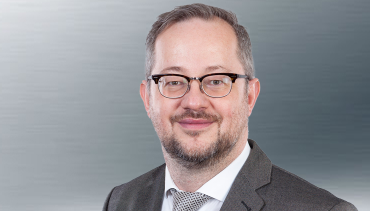
Martin Reinicke